
Whanganui is not what it used to be.
Some colonial-era fantasists brought notions of a new Athens on the awa and built themselves an opera house, art gallery, museum and observatory alongside gentlemen’s clubs and a facsimile of a public school. At the same time, they were making slightly dirty money out of land speculation, industrial-scale textile mills and slaughterhouses serviced by a busy river port and railway network.
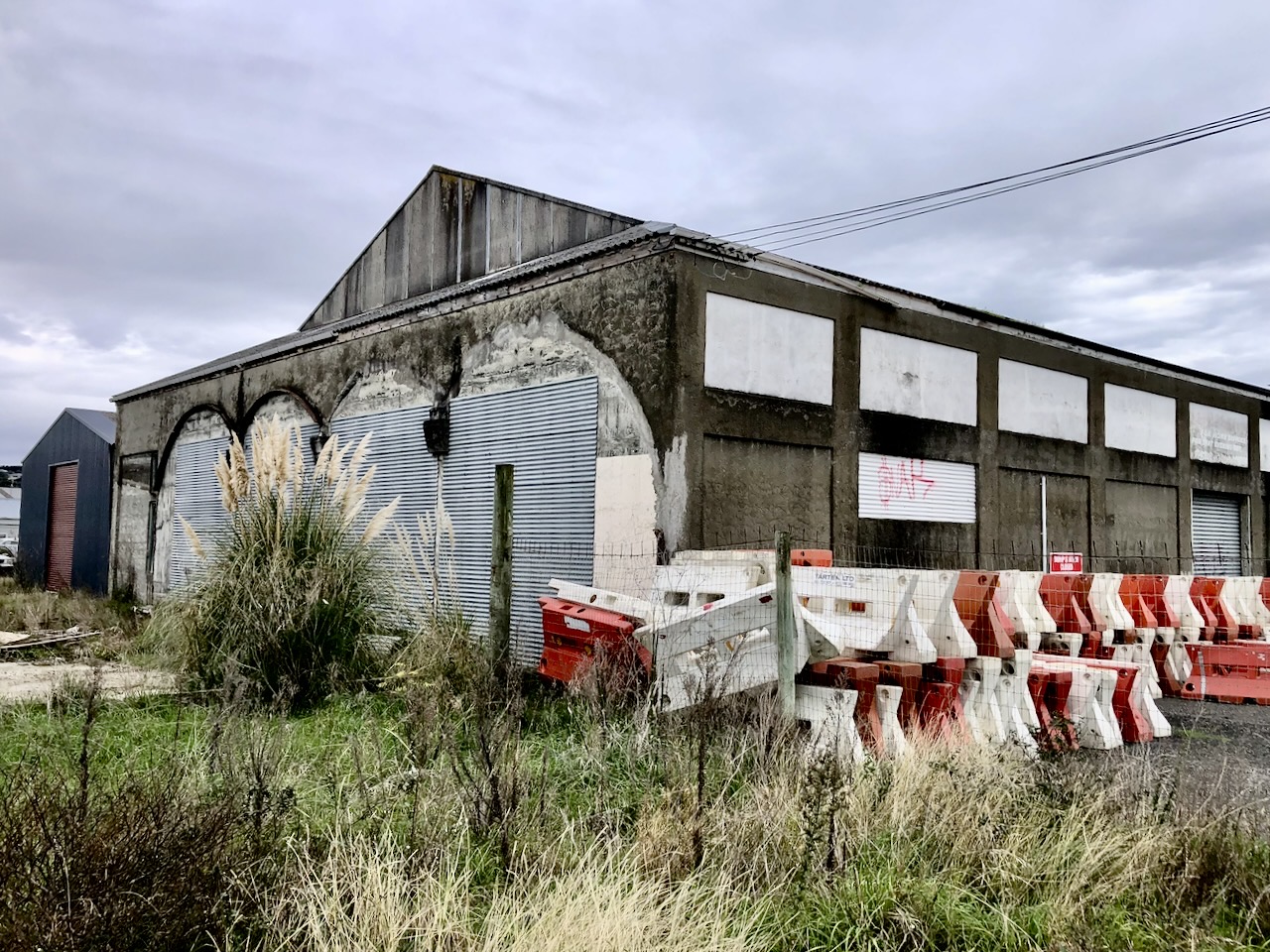
Recession, war and synthetic fibres put the brakes on growth before container shipping, provincial misery and Michael Laws did the rest. By 2015, Whanganui was Exhibit A in Shamubeel Eaqub’s Zombie Town indictment. These days it is on the comeback with a growing population and an evolving creative sector, headlined by its anointment as New Zealand’s only UNESCO City of Design.
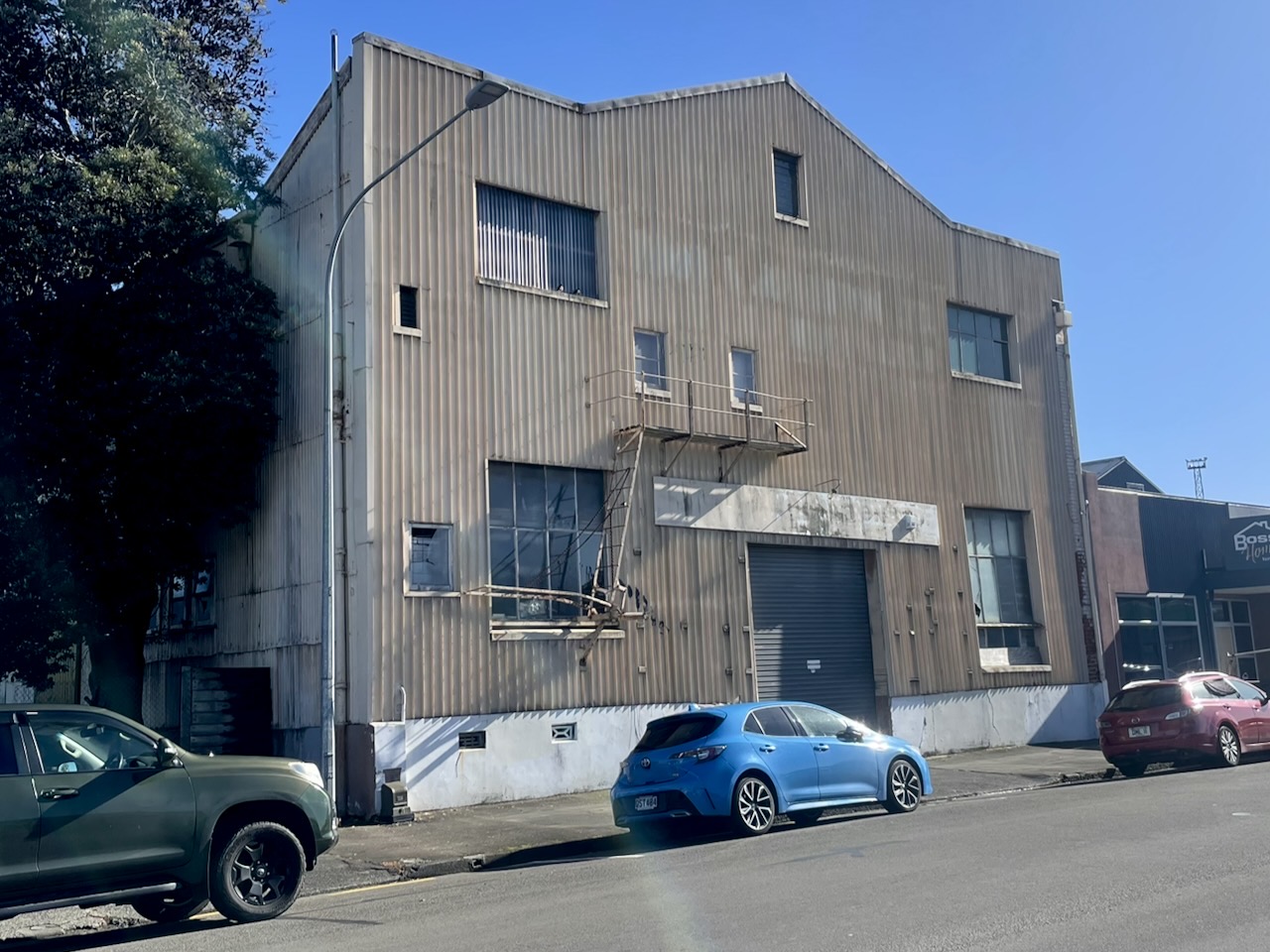
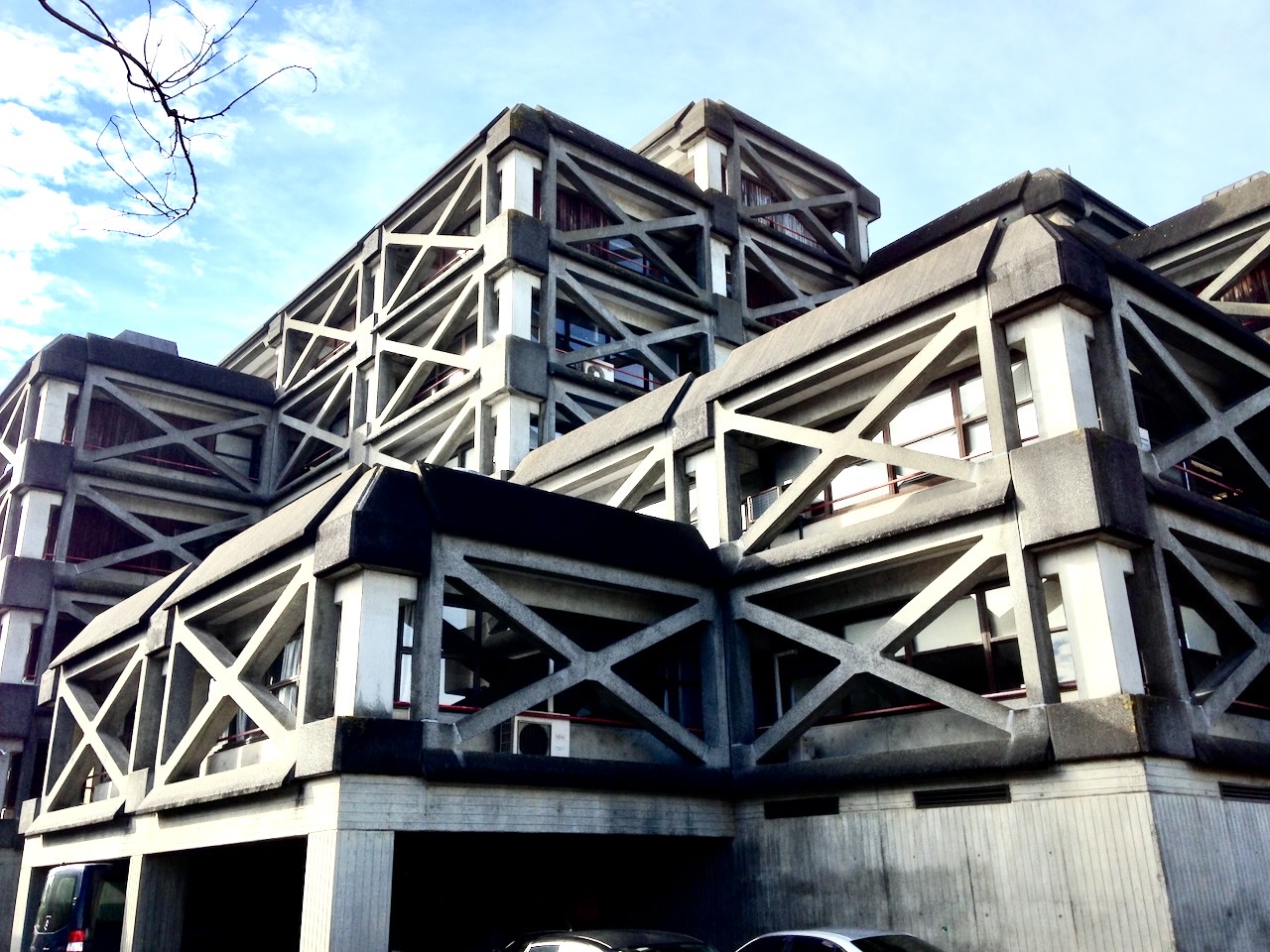
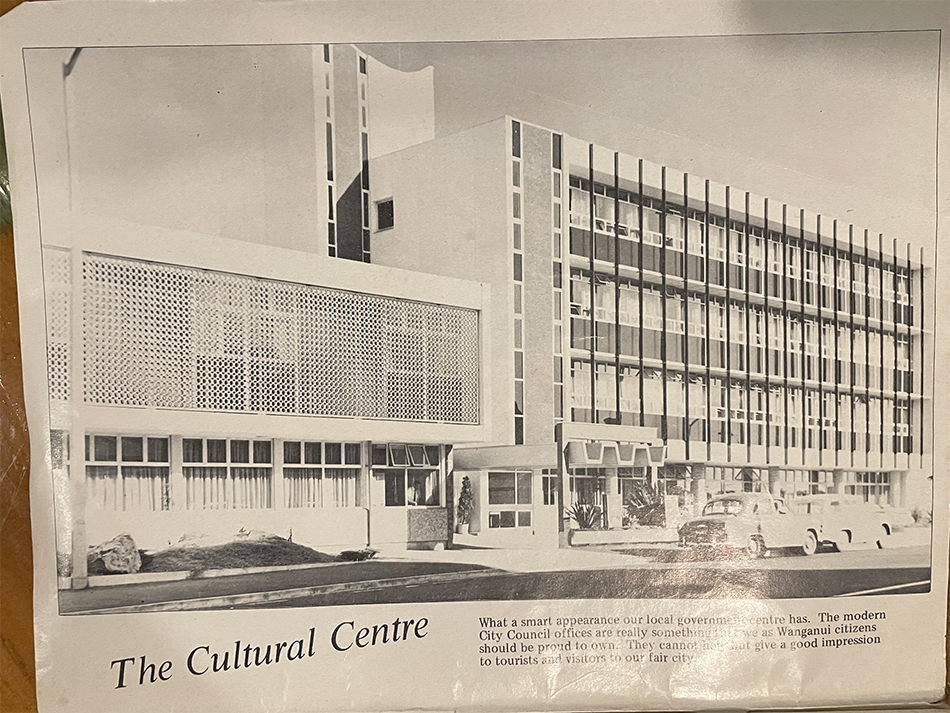
The built environment (see also: Real Estate Market) has been slow to join the renaissance. Patches of the Whanganui CBD still have an air of near-abandonment. The shopfronts on its main drag, Victoria Avenue, are not all occupied and there are plenty of Two Dollar Shops amongst those that are. The two and three storey Edwardian structures upstairs are often empty. There is a post industrial hollowness in the surrounding commercial hinterland of warehouses and workshops. A fluky combination of grass roots activism and capitalist indifference has preserved a lot of the timber and brick urbanism of the early 20th century, but for what? How do you make use of it in the era of housing scarcity, growing awareness of the environmental cost of the demolish-and-replace cycle and a changing urban zeitgeist? What do you do with a used city?
Those questions are relevant, pressing even, across the country – most definitely not excluding Wellington – and they are up for debate in one of the feature events in the upcoming Festival of Design Aotearoa (www.festivalofdesign.co.nz).
Re:Using the City will run from 3.30pm on Thursday, October 22 at the War Memorial in central Whanganui, opening with case study presentations about the revitalisation of the Drews Avenue precinct, the taming of the Gonville Municipal Baths and the reimagining of a beached boat as a riverbank b’n’b, among others. Those involved include Mark Southcombe, Malcolm Taylor, Elinor Harvey McDouall, Felicity Wallace, Craig Dalgliesh and Cansu Inal.
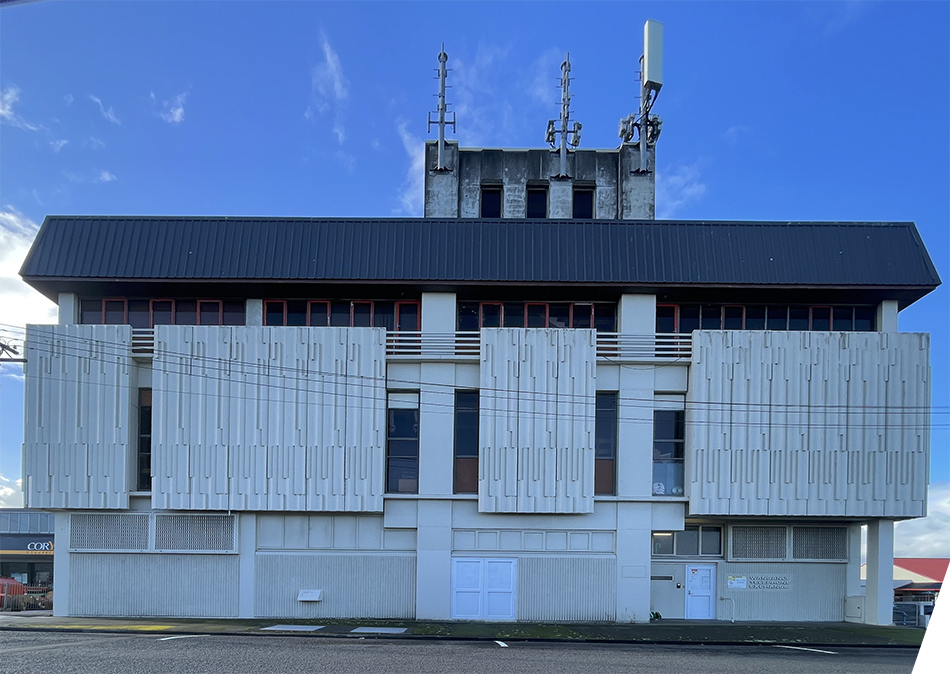
The evening session starts at 7.00pm with a keynote address from Bill McKay of Auckland University and RNZ repute, followed by a public forum about what an historic city can do with its built environment, its underused heritage buildings and its growing population. The conversation is crucial to an understanding of how the economic, social and environmental outcomes of reusing rather than replacing our urban fabric are just as important as the preservation of heritage.
Eye of the Fish followers are urged to make the trip north and get stuck in. There’s a whole seafood banquet of other design and architecture events – and a lot of buildings to stare at and fantasise…
I’m impressed that you have a tag for “slaughterhouse”. Use it often?