
Here’s some topical questions for you all: Is daylight an important factor for living? Is sunlight important? Are views important? Does a room have to have a window out? What does it have to look out at? Can you have a completely dark internal bedroom or living room? How much light is enough?
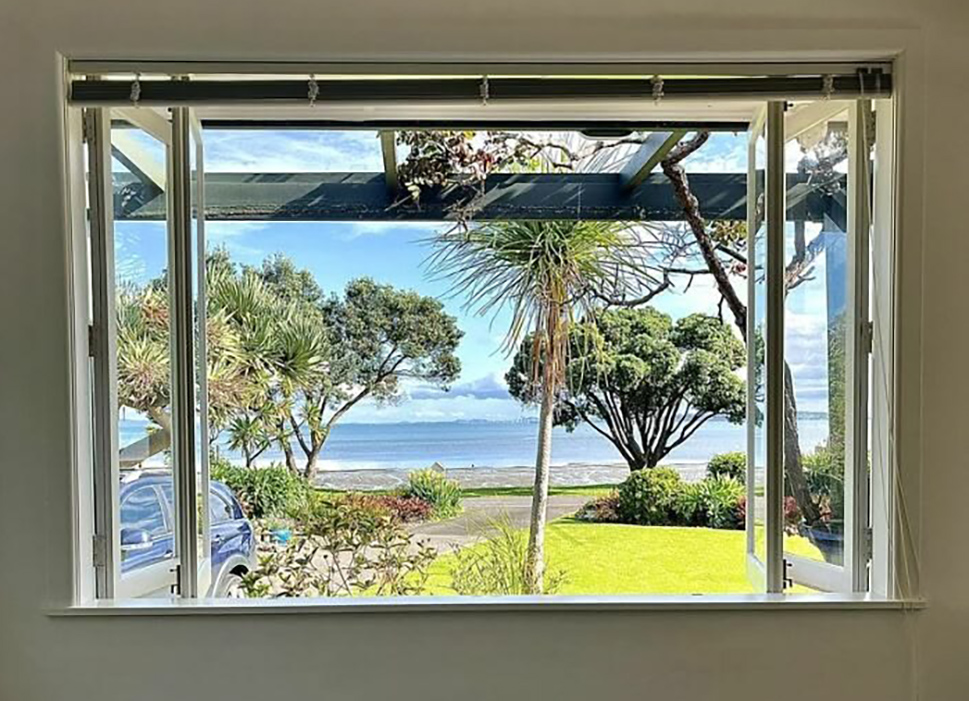
I ask these questions because it intrigues me, but it is also an area in which the public seem to have very different views. Basically, in NZ, the public really seem to want views. To crave views. To expect views. But are they right to do so?
As you probably already know, there is no – NO – right to a view in NZ property law. Possibly no right anywhere in the world. Except, of course, if you have access to expensive lawyers or a curiously helpful Council. But that won’t stop people yapping on about the indignity of views being infringed. Even if they have no legal or moral right to. Their pathetic grievances know no limit, big or small.
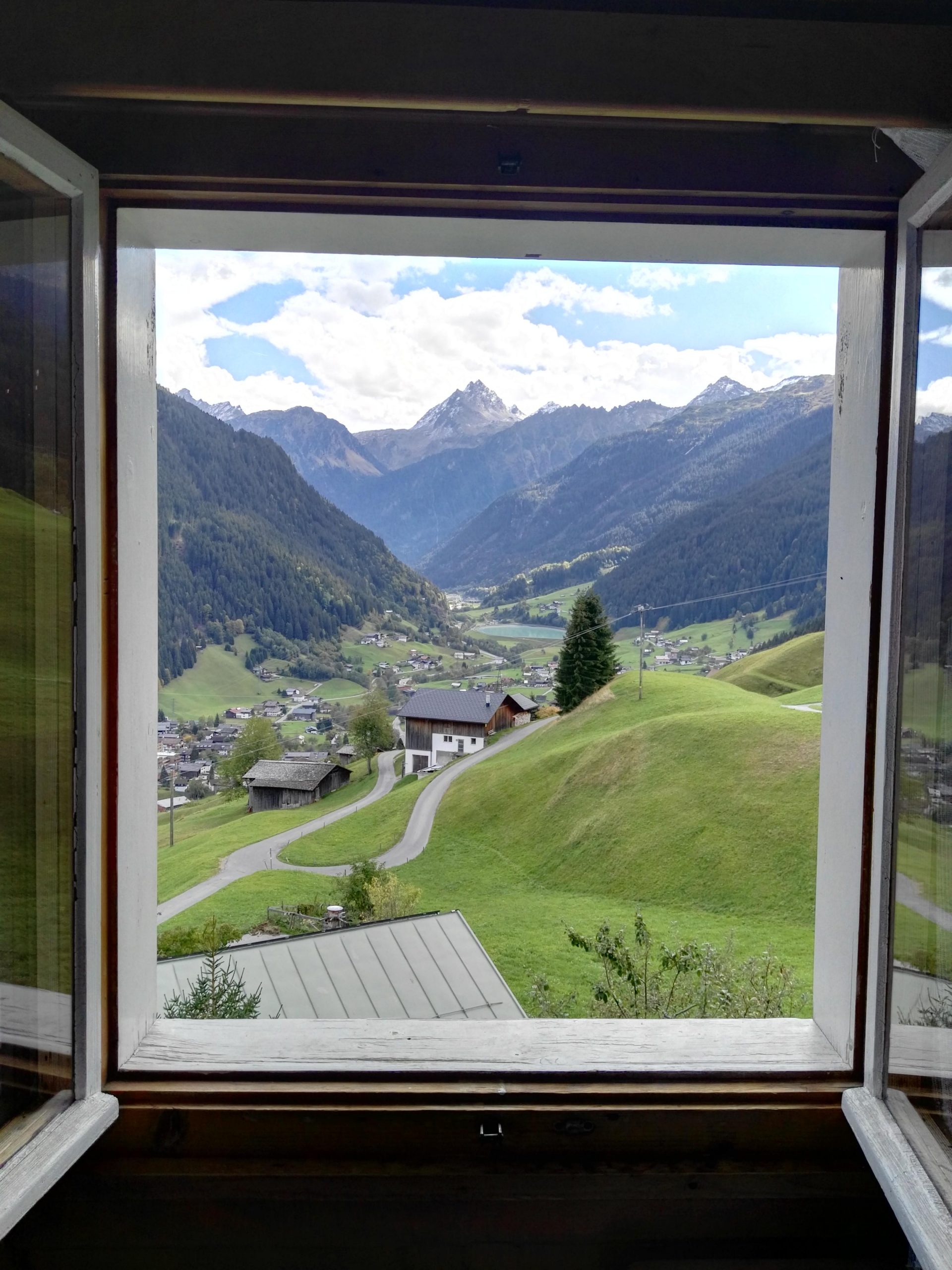
OK – so, views are out. But what about sunlight? Is that protected? In parts of Britain – Yes. But in NZ?
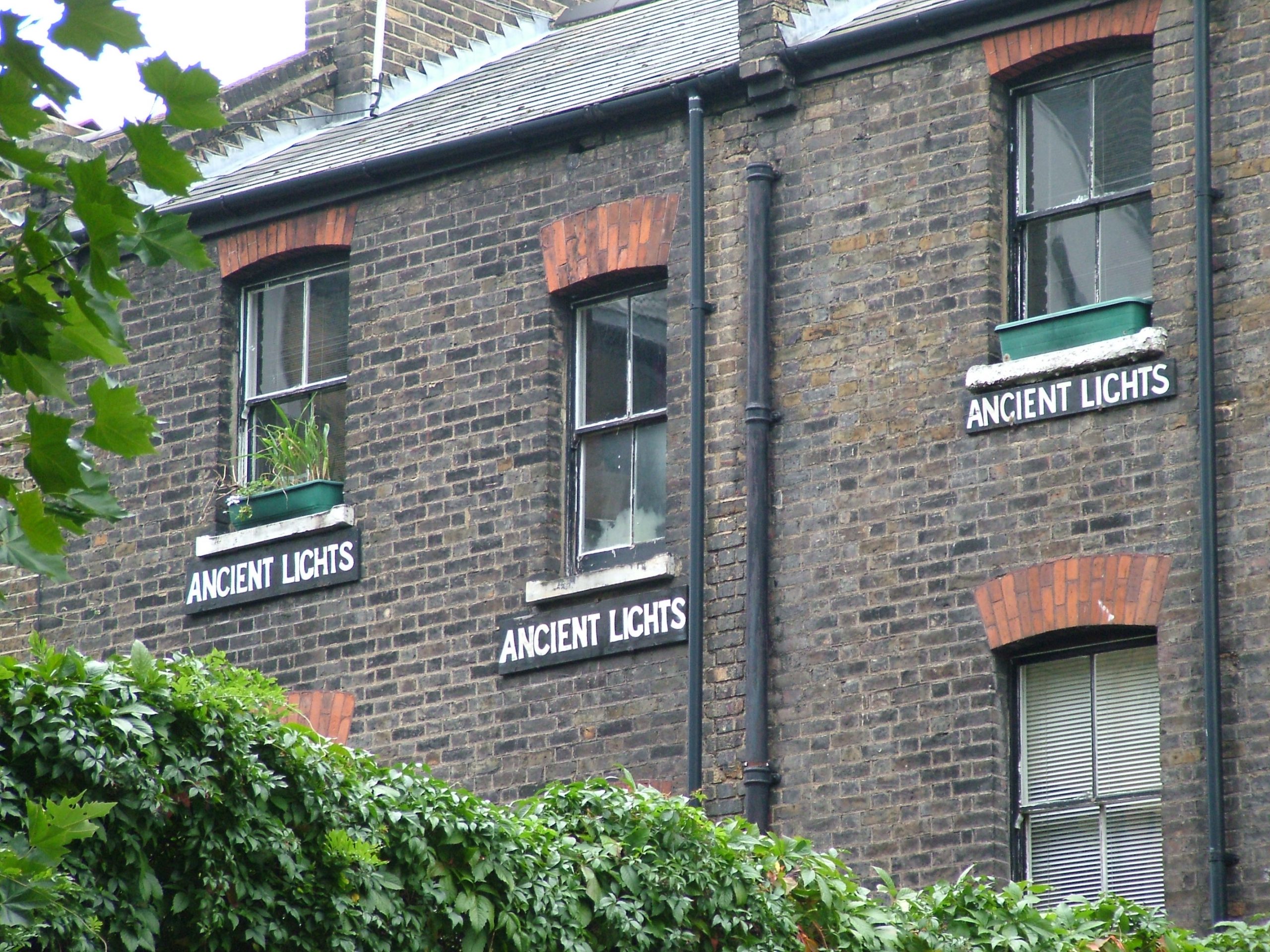
Nope, of course not. Who can guarantee the right to the sun? This is a question that frequently arises with the question of siting of infill housing. It is also one of those questions that arise whenever trees occur, because, as you know, trees grow over time, and add branches and height, and what was once small and cute may end up bloody large, but without a Resource Consent.
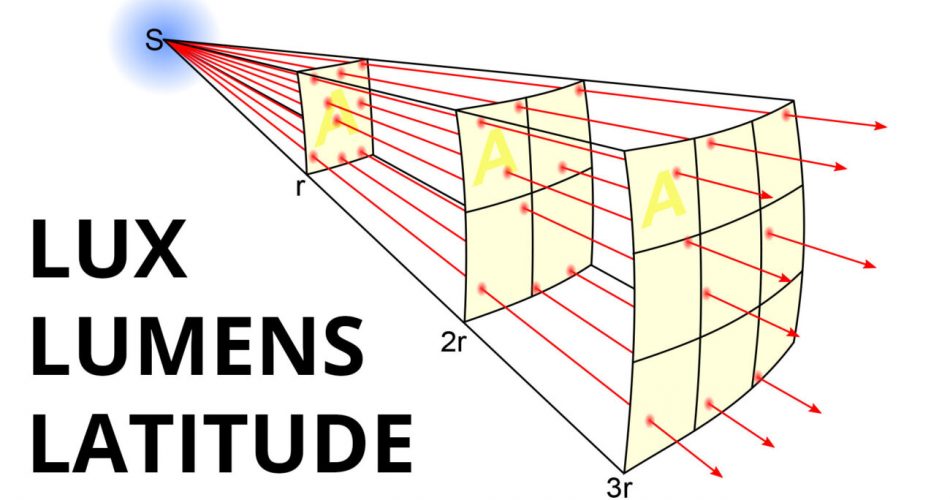
OK then – so, there is no right to a view, or to a certain amount of sunlight. But what about Daylight? That one is different – one of the few things regulated for in the Building Code. That’s the one, G7, which talks about Natural Light, and dictates a minimum of 30 lux of light down at floor level for 75% of the year.
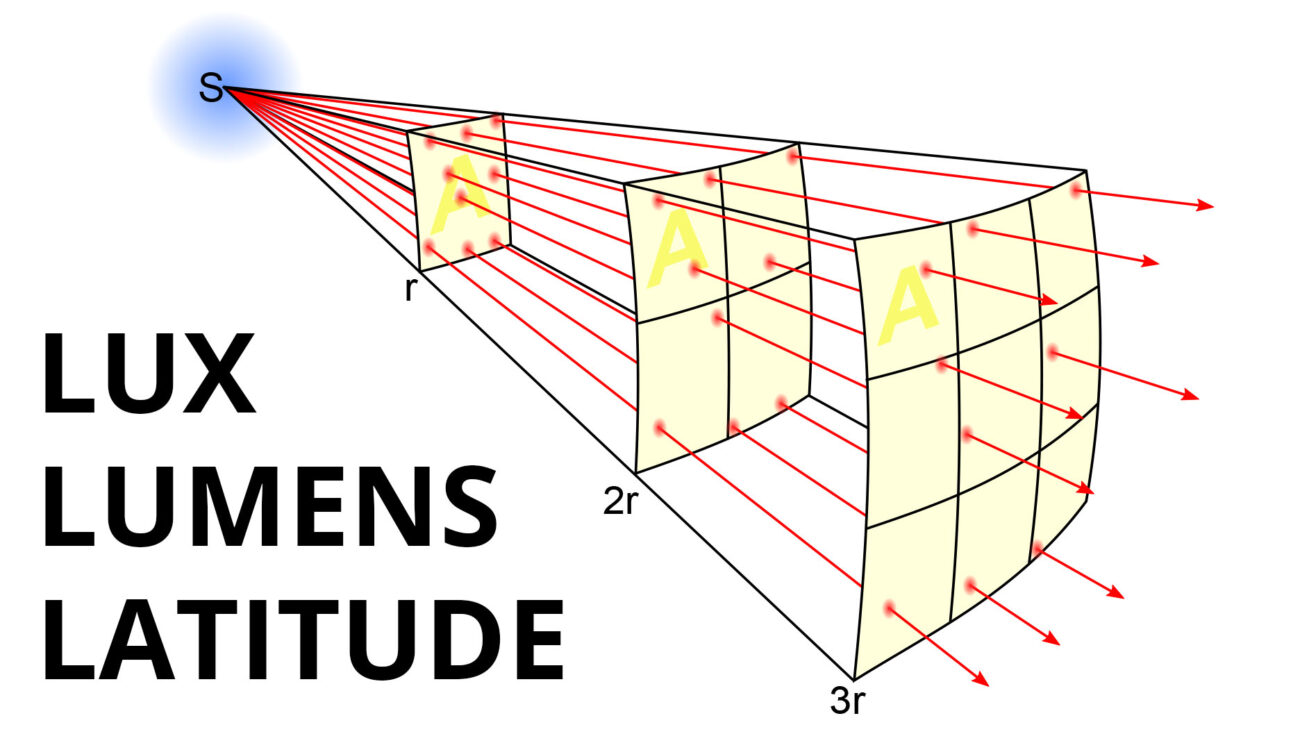
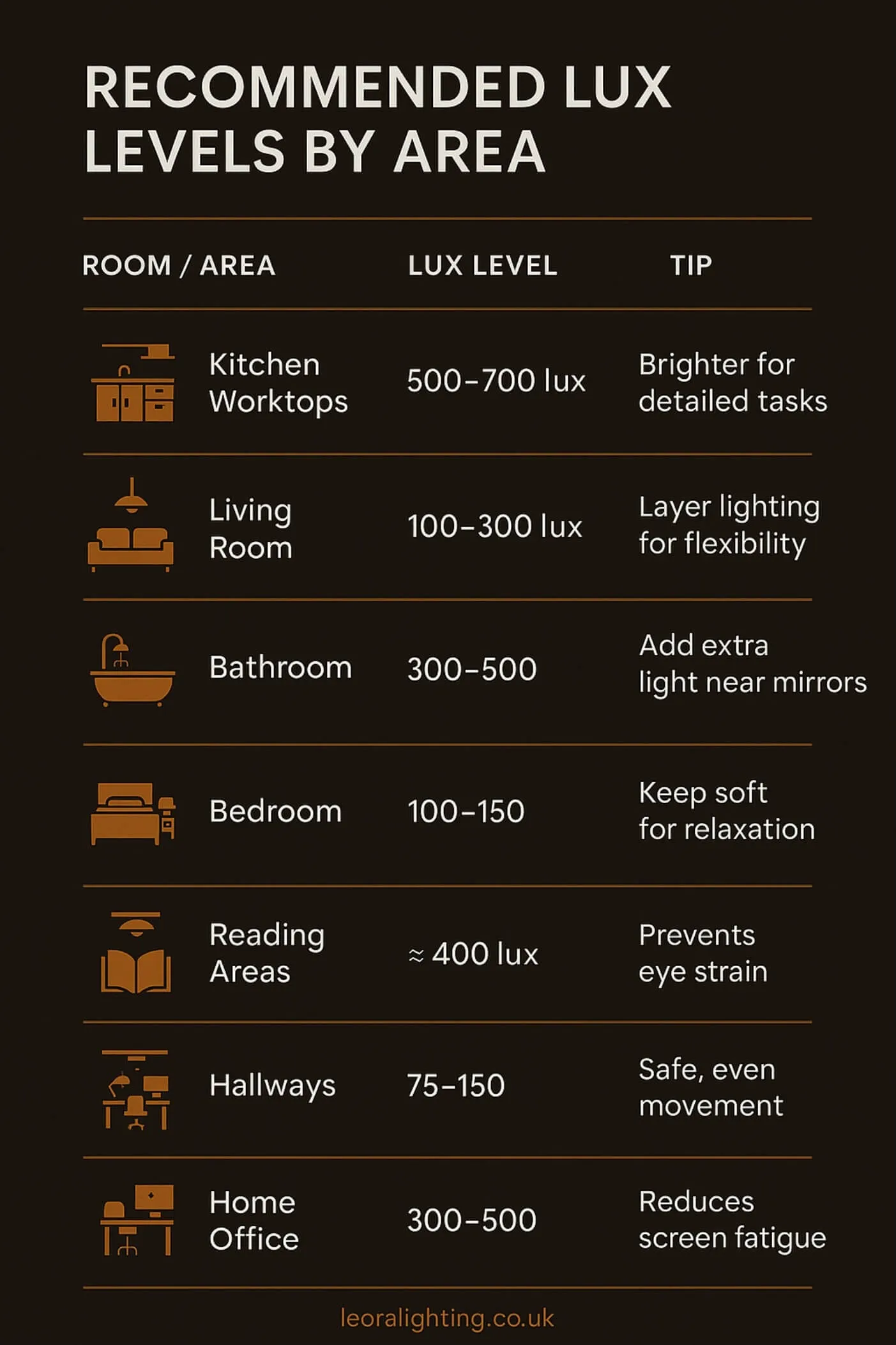
So, 30 Lux then – how much is that? It is clearly not equivalent to sunlight, but it is also not equivalent to “full daylight: which is over 10,000 lux. 30 lux is also nowhere near the light level of a standard office building or supermarket, which is around 500 lux. Not is it near the level of a brightly lit living room, which is rated about 100 lux.
It is, fortunately quite a bit higher than a full moon (0.25 lux) and some three times higher than a candle burning about a meter away (10 lux). 30 Lux is apparently about the level of a “dimly lit corridor”. That’s what you are legally entitled to ask for. The ubiquitous AI bot at the evil empire of Google says that “In building and safety standards, 30 lux is usually the minimum required light level for walkways and exit routes to ensure people can navigate safely without tripping.”
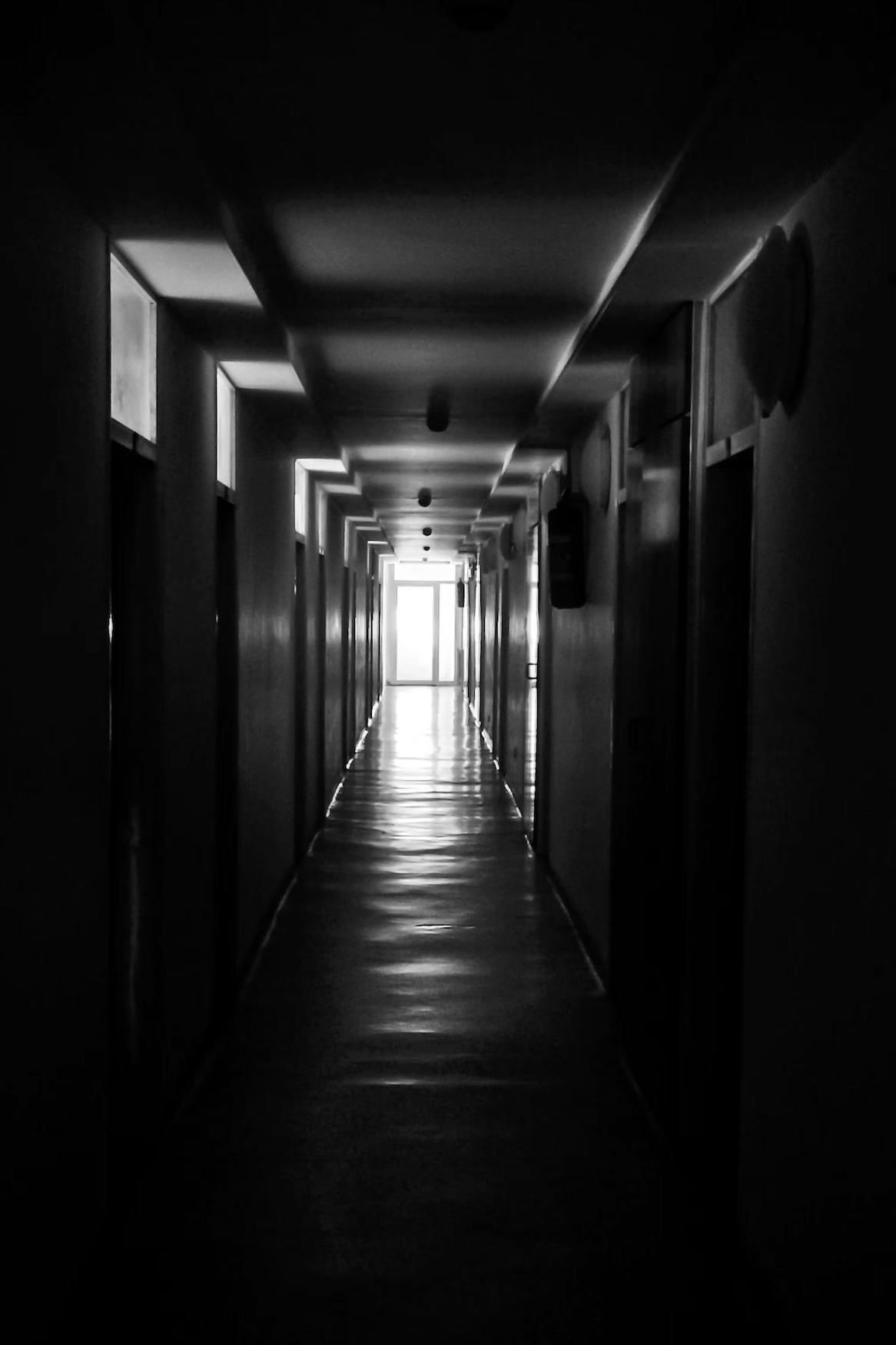
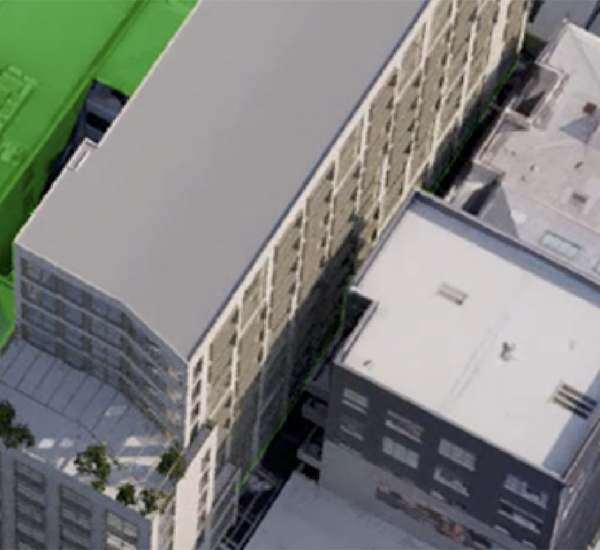
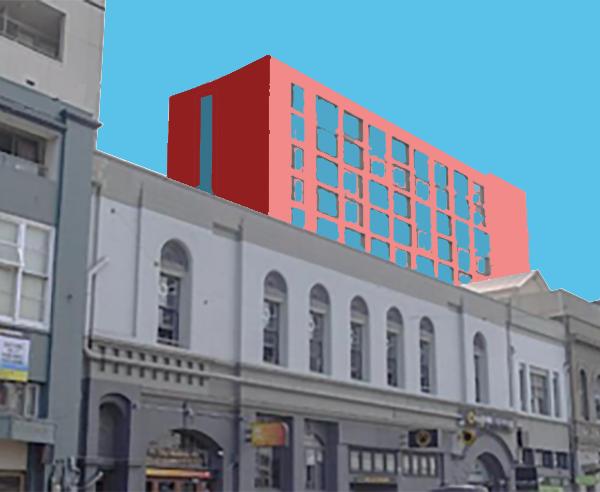
It brings the subject into clear focus then (hard to do in low light levels!) that there is a building project proposed for Wellington where they are arguing over whether the G7 light levels even reach that dreadfully low standard. And by this chart below, it is not even on the bottom rung!
If your building cannot reach even the bare-arse minimum of 30 lux on the floor because your proposed apartment is buried 3-4 storeys down the arse end of nowhere, is this good architecture? Is this good living? Is this acceptable? Is this providing an affordable housing solution even if you are paying less for lower apartments than for units up top in the clean clear air? Are they affordable even then? Are the answers to all of these questions really ALL in the negative?
More on this in Part 2…

It’s an interesting question. . . I’m sure that the human race can’t have made it all the way to the twenty-first century without a swag of PhDs and theses by everyone from neurologists to lawyers to architects to . . . to. . . yes! marine biologists!
https://iere.org/how-does-light-affect-fish-growth/
Wonder how high-density cities like New York, Hong Kong and Singapore have dealt with sunlight and viewshaft issues?
https://www.bbc.com/future/article/20250922-how-singapore-became-obsessed-by-shade
https://static1.squarespace.com/static/54d8cc78e4b003ad1dc6a0f7/54e377fae4b053bd0c641d8f/54e377fae4b053bd0c641d9a/1312404809073/DaylightasaZoningDeviceforMidtownManhattan_compiled.pdf
https://skyscraper.org/vertical-cities/
I am assuming that its the Council refusing to sign off on the plans that would this ( I am assuming its likely just one) unit being consented?,
It got to be a pretty dire proposal given that WCC let the “Monvie” block in Holland street go up right in front of the Serepisos Century city block that has just been built… and some of those place look straight at each other with minimal distance…
Please let us know how it goes,
Hopefully they head off to MBIE for a determination ruling then it will all be public for the world to see..
My understanding is that numerous units are involved, being basically the lower floors which look directly onto the rear boundaries of the properties next door.
I recall Monvie was a Merv Quirke development back in the day, and apparently his reputation wasn’t in high regard. Hasn’t been heard from much lately, if he’s even still alive or in the business.